DEXA Scan in Cincinnati, OH
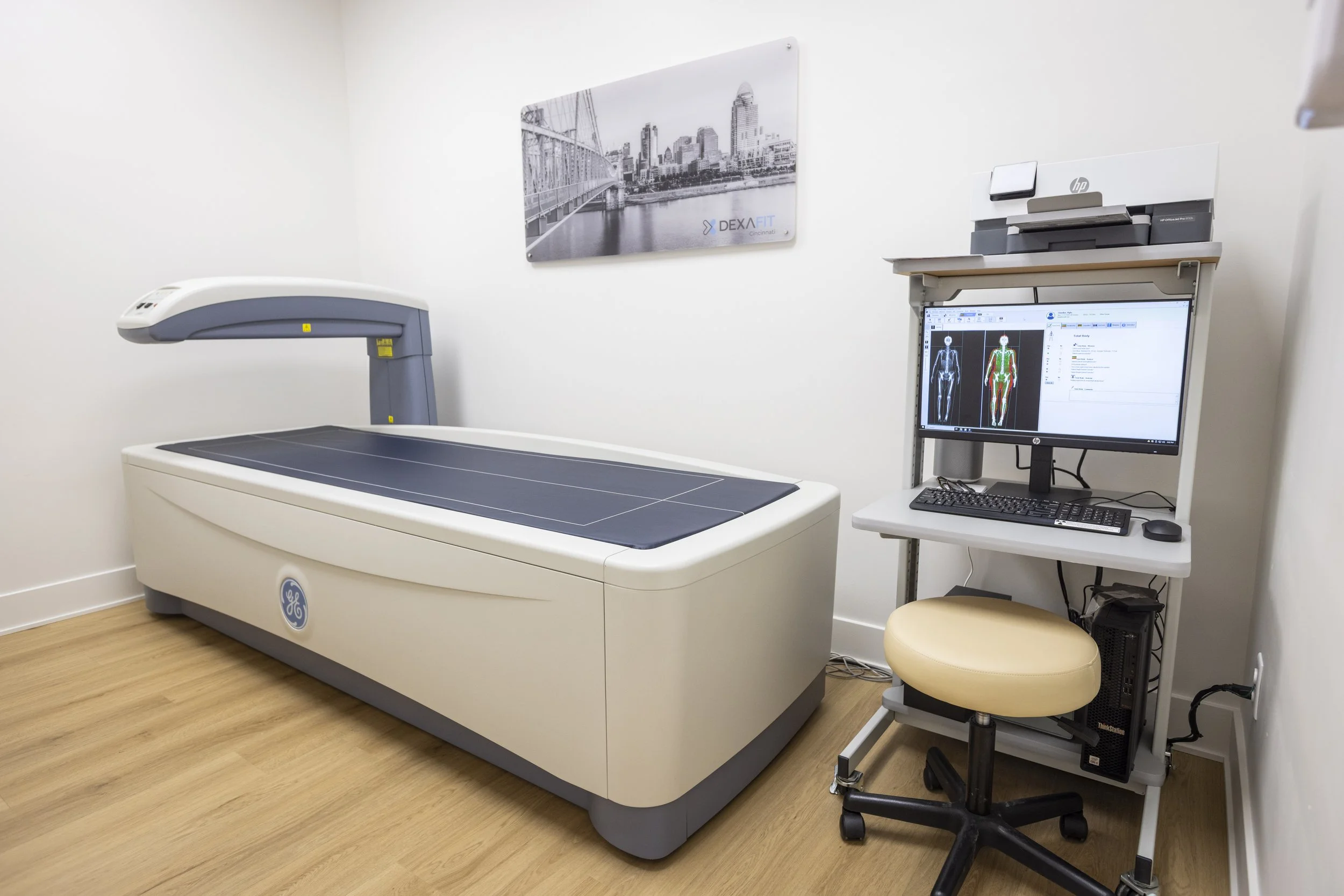
Segmental DEXA Bone Density Scan
Clinical Bone Density Testing for Osteoporosis, Osteopenia, and Skeletal Health.
A Segmental DEXA scan is a clinical imaging test that measures bone mineral density (BMD) at the most important fracture-risk areas of the body — the hip, lumbar spine, and forearm. While a total body DEXA scan evaluates body composition and metabolic health, a segmental scan focuses specifically on skeletal strength and fracture risk, allowing for accurate diagnosis of osteopenia and osteoporosis. This test provides T-scores and Z-scores, the clinical standards used to diagnose bone loss and monitor bone density over time.
Bone Health Is Built Early — But Maintained
Bone is living tissue that constantly remodels in response to mechanical loading, nutrition, and hormonal health. Measuring bone density allows us to understand your current skeletal strength and create a strategy to maintain and improve bone health over time.
“
The foundation for strong bones is established during childhood, but bone
remodeling occurs throughout life, driven by activity, nutrition, and hormones.
”
Why Segmental Bone Density Matters
Bone density is not uniform throughout the body. The hip and spine contain a higher proportion of trabecular bone, which is more metabolically active and often the first area to lose density.
Early identification allows for targeted interventions to build and maintain skeletal strength before problems occur.
A segmental scan allows us to:
Identify localized bone loss
Diagnose osteopenia and osteoporosis early
Track bone density changes over time
Monitor response to exercise, nutrition, or medication
Assess fracture risk before a fracture occurs
Who Should Consider a Segmental DEXA Scan
Traditional Medical Guidelines Recommend Bone Density Testing For:
Women age 65 and older
Men age 70 and older
Postmenopausal women under 65 with risk factors
Adults with prior fractures
Individuals taking corticosteroids or medications that affect bone density
Individuals with low body weight or known osteoporosis risk factors
Who May Benefit From Bone Density Testing More Proactively:
Adults in their 30s, 40s, or 50s who want a baseline bone density
Women approaching menopause
Men interested in long-term strength and longevity
Individuals focused on resistance training, fitness, and performance
Individuals with low muscle mass or significant weight loss
Endurance athletes
Individuals with a family history of osteoporosis
Individuals with low testosterone or low estrogen
Sedentary individuals or those with long periods of inactivity
Anyone interested in tracking long-term skeletal health
Peak bone mass is typically achieved in early adulthood, and bone density gradually declines with age. Establishing a baseline earlier in adulthood allows us to track bone density over time and intervene early with exercise, nutrition, and lifestyle strategies to maintain skeletal strength and prevent future fractures. Bone density testing is not only about diagnosing osteoporosis — it is about understanding skeletal health, preventing bone loss, and maintaining strength and mobility throughout life.
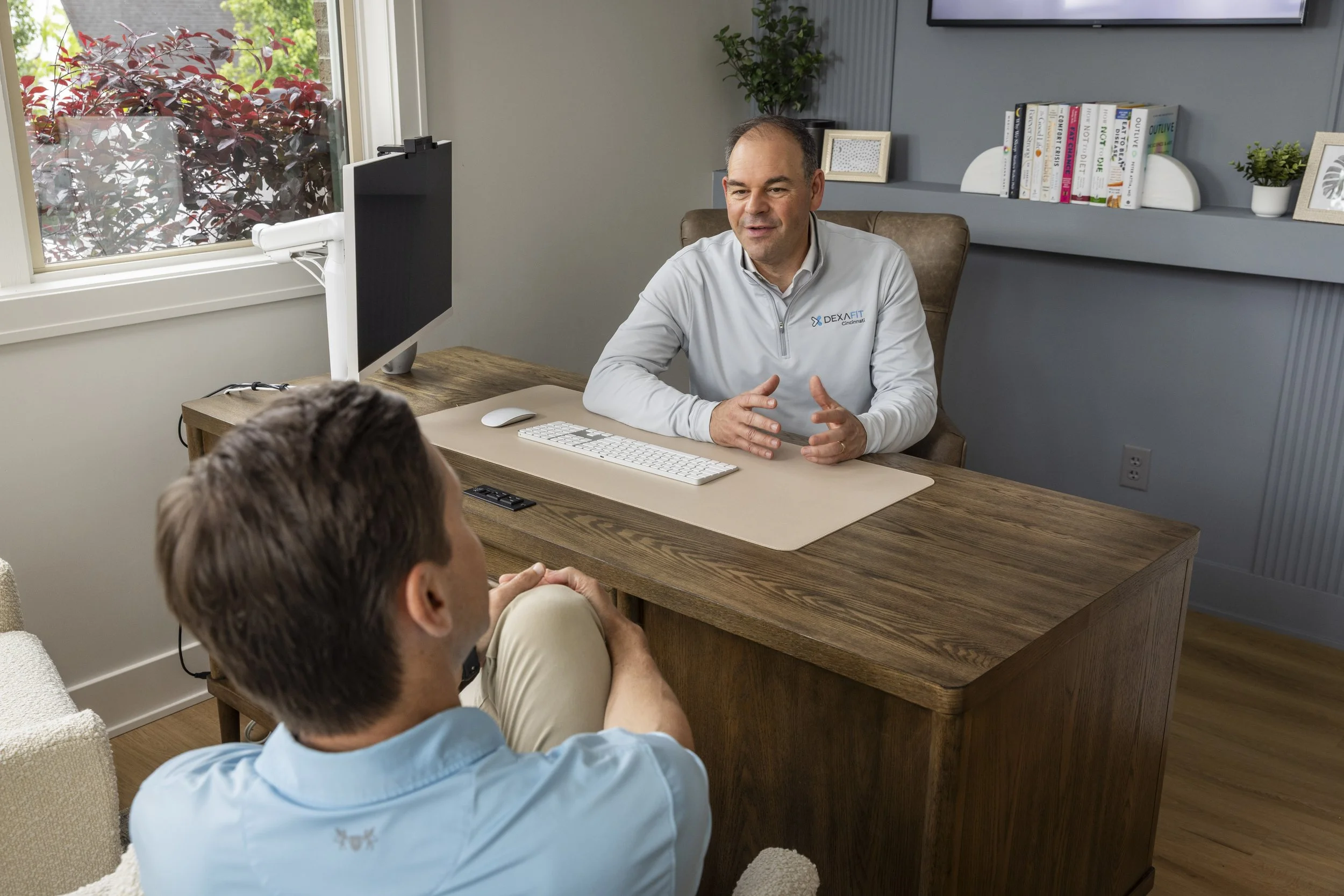
What to Expect
The scan is:
Quick (about 10 minutes)
Non-invasive
Very low radiation
No injections or contrast
Immediate preliminary results, confirmed with physician review
Your report will include:
Bone Mineral Density (BMD)
T-score
Z-score
Hip bone density
Lumbar spine bone density
Forearm bone density (when indicated)
Fracture risk assessment (FRAX, when indicated)
Recommendations for improving bone health
Bone Health, Longevity, and Structural Aging
Bone density is a critical component of long-term health and independence. Loss of bone density increases fracture risk, which can lead to decreased mobility, reduced activity, muscle loss, and decline in overall health. Monitoring bone density allows for early intervention through exercise, nutrition, hormone optimization, and targeted loading strategies to maintain skeletal strength throughout life.
Total Body DEXA vs. Segmental Bone Density DEXA
DEXA technology can be used for two different but complementary purposes: body composition analysis and clinical bone density testing. At DexaFit Cincinnati, we offer both because they measure different aspects of your health and aging.
| Total Body DEXA | Segmental DEXA |
|---|---|
| Body fat percentage | Bone Mineral Density |
| Visceral fat | T-score |
| Lean mass | Z-score |
| Muscle distribution | Hip bone density |
| Appendicular Lean Mass Index (ALMI) | Lumbar spine bone density |
| Fat distribution | Forearm bone density |
| Body composition changes | Fracture risk |
| Sarcopenia (low muscle mass) risk | Osteopenia / Osteoporosis diagnosis |
| Total Body DEXA | Segmental DEXA |
|---|---|
| Metabolic health | Skeletal health |
| Visceral fat risk | Fracture risk |
| Muscle mass | Bone density |
| Sarcopenia risk | Osteoporosis |
| Body composition | Bone loss over time |
| Fitness and training progress | Response to bone treatment or training |
| Weight loss composition | Structural aging |
Comprehensive Assessment: Muscle, Fat, and Bone
Bone health, muscle mass, and body composition are closely connected. Muscle places mechanical load on bone, which helps maintain bone density, while adequate bone density helps support strength, mobility, and independence as we age.
For individuals focused on longevity, performance, and healthy aging, combining Total Body DEXA and Segmental Bone Density DEXA provides a comprehensive picture of:
Muscle mass
Body fat and visceral fat
Bone density
Fracture risk
Sarcopenia risk
Structural health and aging
Together, these scans allow for data-driven decisions related to exercise, nutrition, hormone health, and long-term mobility and independence.
Total Body DEXA measures muscle and fat. Segmental DEXA measures bone density. Together, they provide a complete picture of structural health, longevity, and mobility.
Good cardiovascular fitness with room for improvemen
Excellent insulin sensitivity and metabolic health
Structured exercise routine with both strength and cardio training
Good sleep habits and structured routine
Overall very strong lifestyle foundation
These create an excellent foundation for long-term health, performance, and longevity.
Primary Opportunities for Optimization
The main areas for optimization identified from testing include:
Elevated LDL cholesterol and ApoB
Elevated Lipoprotein(a) (genetic cardiovascular risk marker)
Elevated homocysteine (methylation / B-vitamin related)
Mild ferritin elevation (uncertain significance - could represent transient inflammation, and if so, I would expect improvement the next time this is tested)
Low-normal DHEA and high-normal cortisol (stress/recovery balance)
Opportunity to improve VO₂ max and cardiovascular fitness further
These are optimization opportunities, not disease states, but addressing them will improve long-term cardiovascular risk, recovery, and overall health trajectory.
DexaFit Diagnostic Testing – Your Data
Body fat: 20.8% (excellent – well below age group average)
Lean Mass Index: 8.5 kg/m² (92nd percentile – excellent muscle mass for your height, which suggests you are appropriately muscled to age well)
Visceral fat: 0.0 lbs (ideal - you are lacking this dangerous, inflammatory fat)
Bone density: Z-score +1.4 (>90th percentile) - Z-score is used as an age-matched bone density assessment - at menopause you will use T-score
Body Composition (DEXA)
Interpretation
Your body composition is excellent and is one of your greatest health assets.
You have high muscle mass, low body fat, and no visceral fat, which significantly reduces long-term risk for diabetes, metabolic syndrome, and cardiovascular disease.
Maintaining lean mass and strength as you age is one of the most important predictor
Cardiorespiratory Fitness (VO₂ Max)
VO₂ max: 38.6 mL/kg/min (73rd percentile for age)
VT1 (Ventilatory Threshold 1 = aerobic threshold): ~107 bpm - this is your optimal fat-burning threshold - where you just begin to breathe a little heavier through your nose.
VT2 (Ventilatory Threshold 2 = anaerobic threshold): ~161 bpm - this is the heart rate where you begin to accumulate more lactic acid, which leads to heavier breathing, burning in your lungs and muscles.
Zone 2 HR range: ~96–144 bpm (fat is used as the predominant fuel source - nasal breathing - mitochondrial efficiency is developed as you train at the upper limit of Zone 2)
Interpretation
Your cardiovascular fitness is good and above average for your age.
Improving VO₂ max further would provide significant long-term cardiovascular and longevity benefits.
The key goal moving forward will be:
Continue Zone 2 training ( target sustained 140-145 bpm)
Continue structured interval training to increase VO₂ max ceiling - the ½ mile push with subsequent recovery is an excellent plan for raising your ceiling
Metabolic Testing (RMR)
Resting Metabolic Rate: 1,750 kcal/day - this is the minimum number of calories you should take in each day to ensure you will fuel the body with what it needs torun all the basic functions. You will still lose weight when you eat above the RMR calorie count (but below your TDEE - Total Daily Energy Expenditure).
RER: 0.80 (67% fat / 33% carbohydrate at rest) - this suggests you do have some metabolic flexibility, and with episodic fasting (like twice-annual Prolon FMD and time-restricted feeding (16:8)) you can improve your metabolic flexibility so that when fasting you’re burning fat as fuel, and you are only burning carbs after meals and during workouts.
Estimated Total Daily Energy Expenditure: ~2,700 kcal/day
Interpretation
Your metabolism is functioning well and you are using a good mix of fat and carbohydrate at rest, which reflects good metabolic flexibility.
Based on your RMR and activity level, a small caloric deficit could be used for modest fat loss if desired while maintaining muscle mass.
Vitality Blueprint Laboratory Analysis
Cardiovascular & Lipid Markers
Total cholesterol: 258
LDL-C: 160
LDL particle number: 1,564 (borderline high)
LDL size: Large Pattern A (favorable)
Small dense LDL: Very low (excellent)
ApoB: 108
Lipoprotein(a): Elevated
LP-IR score: 30 (insulin sensitive)
Interpretation
Your cholesterol pattern is somewhat mixed:
LDL particles are large and less atherogenic
Small dense LDL is very low (excellent)
However, particle number and ApoB are elevated
Lp(a) is elevated, which is a genetic cardiovascular risk factor
Because of this combination, the most important next step is cardiovascular risk stratification, specifically a Coronary Artery Calcium (CAC) score. A Coronary Artery Calcium (CAC) score is a non-contrast CT scan that measures the amount of calcified plaque in the coronary arteries to estimate a person’s risk of future heart disease or heart attack.
This will help determine whether aggressive lipid management is necessary (i.e pharmaceuticals) or if lifestyle optimization alone is appropriate. Either way, Omega-3 (EPA/DHA) will support your overall cholesterol numbers and heart-health.
Metabolic Health
Glucose: 84
HbA1c: 5.5%
LP-IR: low
Visceral fat: 0
Interpretation
You have excellent metabolic health and insulin sensitivity, which is very protective long term. The next time we draw labs, we will check a fasting insulin level to further characterize your metabolic health.
Inflammation & Recovery
CRP: optimal
ESR: normal
Ferritin: 177 (mildly elevated)
Homocysteine: Elevated at 12.4 umol/L
Interpretation
Elevated homocysteine is commonly related to B-vitamin metabolism (methylation) and is important to address because it is associated with cardiovascular and cognitive risk over time, when elevated >11.
Estradiol: normal
Estrone: slightly low
Thyroid: normal
Cortisol: high-normal
DHEA: low-normal
Hormones & Stress Markers
Interpretation
This pattern often reflects high performance lifestyle + stress + training load, and may benefit from recovery optimization and stress hormone balance support. This is one reason to add back Ashwaganda to your regimen.
Clinical Assessment & Strategy
1. Cardiovascular Risk Optimization (Lp(a) + ApoB)
Because of elevated Lp(a) and ApoB, I recommend:
Coronary artery calcium score for baseline risk assessment - I have sent an order to TriHealth, and you can call 513-569-6777 to schedule this $100 test.
Continue exercise and strength training
Start omega-3 supplementation (Super EPA by Thorne is an excellent choice)
Continue high-fiber, whole-food nutrition pattern
The Coronary CT calcium score (CAC) score will help guide how aggressive we need to be with cholesterol management.
Homocysteine Reduction (Methylation Support)
Plan:
Start Thorne Basic Nutrients (2 capsules daily)
This provides methylated B-vitamins to reduce homocysteine
Recheck homocysteine in 6 months
3. Body Composition & Nutrition Strategy
Your muscle mass is a major health asset.
If modest fat loss is desired:
Target calories: ~2000–2200/day
Protein: 120–160 g/day
Continue strength training 3x/week
Continue cardio 3x/week
The goal is to maintain muscle while slightly reducing body fat.
4. Cardiovascular Fitness Strategy
To improve VO₂ max and long-term cardiovascular health:
Zone 2 Training
1–2 sessions per week
45–60 minutes
HR ~140–150 bpm
Interval Training
1-2 sessions per week
Examples:
½ mile intervals (which is very similar to the Norwegian 4×4)
Hill sprints
Bike or row intervals
The goal is gradual improvement in VO₂ max over the next year.
5. Supplement Strategy
Recommended:
Thorne Basic Nutrients – 2 daily
Omega-3 (EPA/DHA)
Magnesium glycinate
Ashwagandha (can restart)
Maintain vitamin D3
Supplement Note (FYI):
We offer high-quality, physician-grade supplements in the office, including Thorne, Momentous, Designs for Health, and other professional brands. These are available to our patients at discounted pricing (typically 15% off) that is lower than Amazon or purchasing directly from the manufacturer websites, and it also ensures product authenticity and proper dosing guidance.
Plan Summary
Overall, you are in excellent health with strong body composition, metabolic health, and lifestyle habits.
Your main optimization opportunities moving forward are:
Cardiovascular risk assessment (CAC score)
Homocysteine reduction
Lipid optimization
Continued improvement in VO₂ max
Recovery and stress hormone balance
The focus moving forward is optimization and long-term health trajectory, not treatment of disease.
Follow-Up Plan
To re-iterate, I recommend:
Coronary artery calcium score
Repeat labs in 6 months
Continue current training and nutrition plan
Consider repeat DEXA and VO₂ max in 6 months to monitor progress
Annual Optimization Bundle yearly (which is included in our memberships - Longevity+ or Concierge Primary Care)
Concierge Primary Care Option:
If you decide to transition into our Concierge Primary Care program, we would prorate your first year to $250 per month given your previous investment in the Annual Optimization Bundle, and then it would continue at the standard $350 per month thereafter. I’d be happy to meet with you and Carson to go through how the program works and answer any questions you both may have.
Longevity⁺ Membership Option:
If you decide to transition into the Longevity⁺ Membership, we would prorate your first year to $125 per month in recognition of your previous investment in the Annual Optimization Bundle, and then the membership would continue at the standard $199 per month thereafter (with an annual one-time payment of $500 due at the beginning of each new year of the program). This program is not primary care, but rather a physician-guided consultation program focused on metabolic health, body composition, cardiovascular risk, performance, and long-term health optimization. I would be happy to meet with you and Carson to review the program and answer any questions you both may have.
Bottom Line
You are starting from a very strong health position.
The focus now is cardiovascular risk optimization, fitness improvement, and long-term longevity strategy, while maintaining your excellent muscle mass, metabolic health, and lifestyle habits.
Your Bone Density Matters
Book your DEXA Scan at DexaFit Cincinnati and embark on the path to enhanced health and performance.